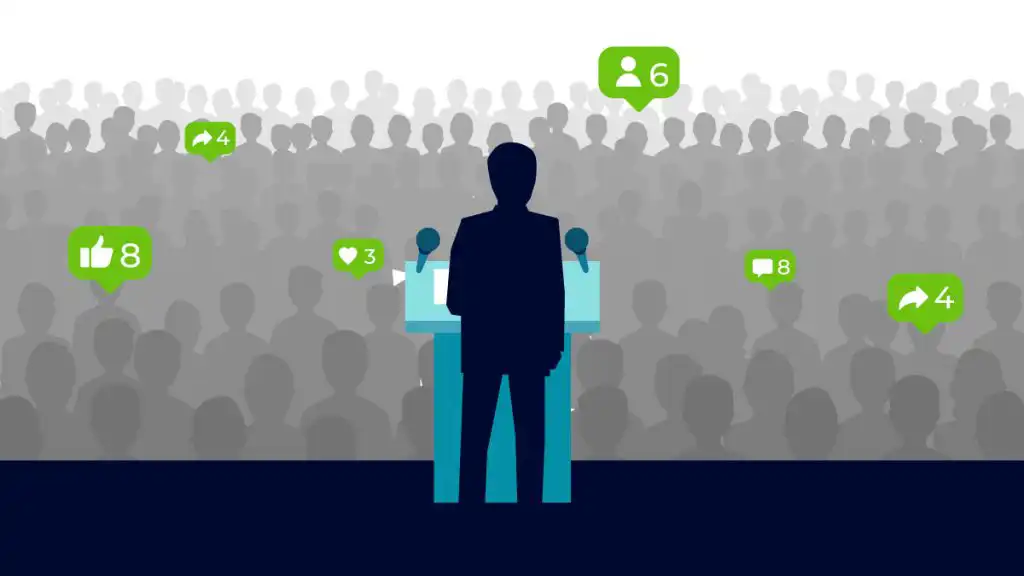
Why Most Local Government Social Media Strategies Fail


Social media is now your front desk. People no longer call City Hall—they tweet, DM, and comment expecting real-time answers. Without a clear local government social media strategy, you risk confusion and inconsistency, undermining your communication efforts.
A great way to avoid this is by planning effective social media posts across all social media channels. A structured strategy not only prevents public backlash but also ensures your agency’s voice works for you, keeping residents informed and engaged.
Key Takeaways:
Local Governments Are Not Active on Social Media
You don’t need to be everywhere online, but you do need to be there.
And not just post recycling reminders once a month.
The Public Is Online. And They Expect You To Be, Too
People want more than service updates–they want service access.
Residents are used to handling their daily lives through apps and websites.
They expect to connect with their local government the same way they do with businesses: instantly, and online.
That’s what digital government is about… bringing services closer to the people using them.
Social media is a direct line. If you’re not using it, you’re asking residents to do things the hard way.
Old-School Communication Doesn’t Cut It Anymore
The public has new expectations. They want engagement, not just announcements.
They want transparency, not filtered PR. They want fast answers, not forms and delays.
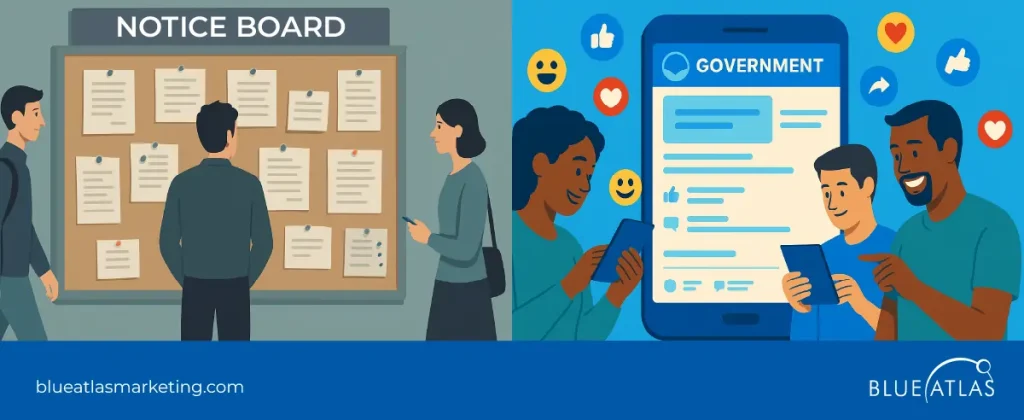
However, many agencies still treat social media like a bulletin board, posting one-way messages with no follow-up.
Or worse, they ignore the platform’s features altogether. No stories. No interactive content. No comment replies.
That’s like standing at a podium and never looking up to see who’s in the room.
And here’s the thing…your audience does notice. Inconsistent posting, poor responsiveness, and outdated content signal that you’re not listening.
That’s a missed opportunity to build trust, correct misinformation, or simply remind people that real humans work behind the seal.
What You Post Matters More Than How Often You Post
You’re not just there to inform; you’re there to connect.
If all your posts sound like policy memos, you’re missing the point.
Public meetings and water line alerts are important but they won’t keep people coming back. To build a real following, you need content that feels relevant.
That might be the mayor at a school fundraiser. Or highlights from the weekend basketball tournament at the recreational center.
Think of social media like your agency’s public face. It’s where you can be helpful and human.
Post updates that answer common questions. Share short videos that explain how services work. Celebrate city staff or community heroes.
People want to see themselves in your feed and that starts with content that reflects their daily lives, not just official statements.
To make more sense, when emergencies hit, social media should be your loudest tool.
That means being fast, accurate, and visible. During crises, residents are looking to you for calm, clear information.
Delays or silence create confusion (and plenty of room for misinformation to spread).
But beyond emergencies, social media helps you build transparency day-to-day.
Show your work. Answer questions. Talk about policies before people are upset by them.
It signals that your agency doesn’t just communicate when it has to–it communicates because it cares.
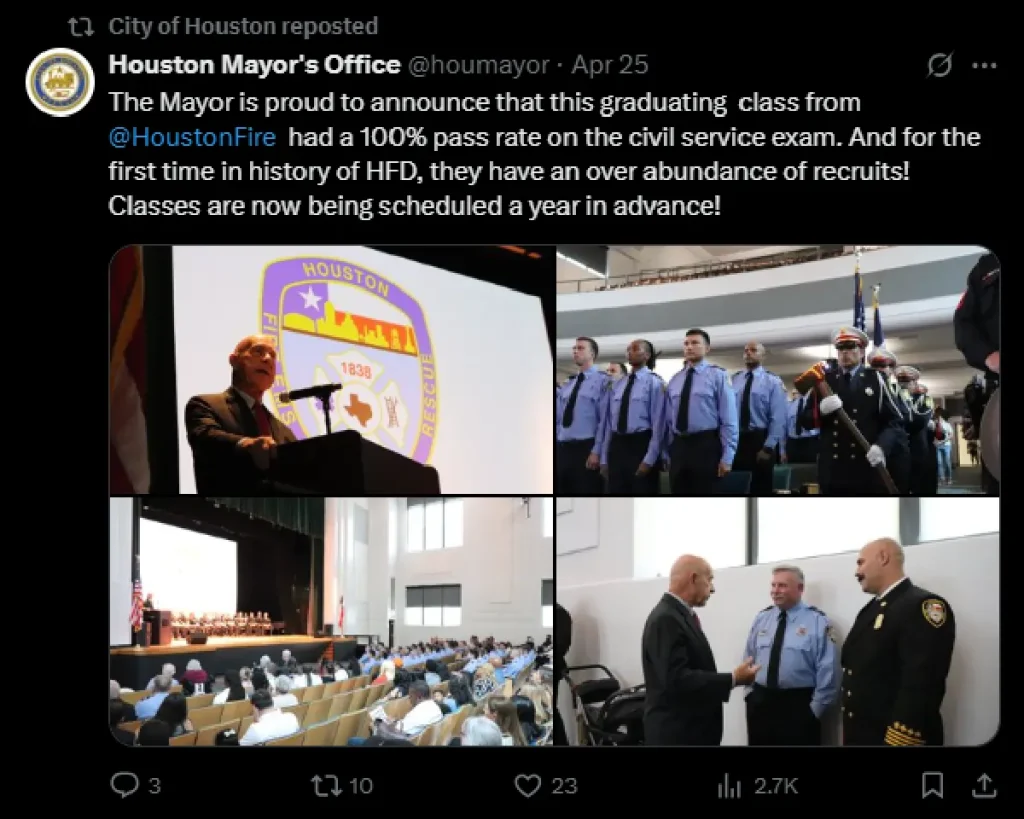
A great example? The City of Houston, Texas’s Twitter account actively responds to residents, answers concerns, and updates the public in real-time.
It’s proof that local government accounts can be both professional and approachable.
You’re Missing Talent If You’re Not Recruiting on Social
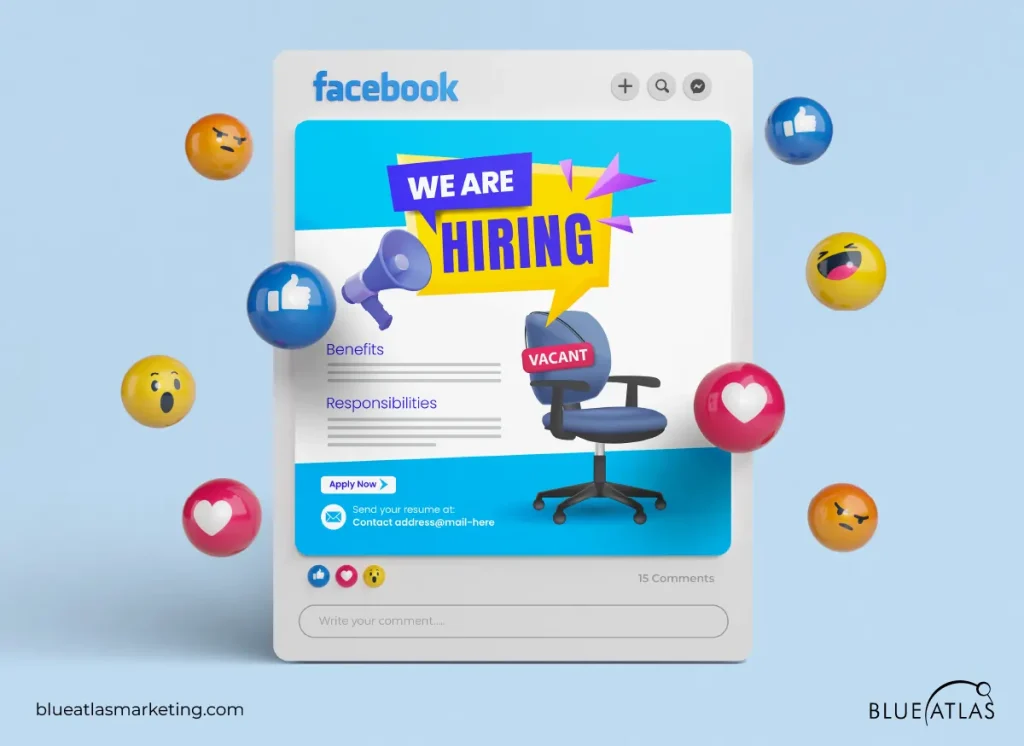
Job boards alone aren’t cutting it anymore. If you’re not using social media to promote openings and volunteer roles, you’re leaving reach–and relevance–on the table.
Social Media Is a Workforce Development Tool
Think of it this way: 72% of U.S. adults use social media. That’s not just your audience–it’s your future team.
Social platforms enable you to connect with potential hires where they already are, without the additional cost of traditional advertising.
You don’t need fancy campaigns to get started. Highlight a day in the life of city staff.
Share photos from volunteer events. Post short videos explaining how to apply for local jobs.
When you put real faces behind the roles, it helps break the myth that government work is slow or tedious.
Plus, consistent posts help retain current employees, too.
Public shoutouts, milestone highlights, and team wins go a long way in keeping morale up, especially when everyone sees it shared publicly.
Make Recruitment Campaigns Actually Reach People
Posting a job once and hoping for applicants doesn’t cut it anymore.
If you want results, you need a strategy that builds awareness and trust over time. Here’s how to approach it:
Targeted Advertising
- Use paid ads to reach exactly who you’re looking for: based on age, location, job interests, and experience level.
- Facebook, LinkedIn, and even Instagram offer advanced targeting tools that help your job openings reach the right eyes.
Engaging Content Creation
- Don’t just say, “We’re hiring.” Show it.
- Share behind-the-scenes videos, employee testimonials, or simple graphics that break down what the job offers.
- Human stories tend to capture attention more effectively than plain text.
Consistent Communication
- Keep your hiring posts regular and up to date.
- Create a rhythm–weekly job highlights, reminders about deadlines, or status updates on open positions.
- Consistency signals reliability, and that matters when someone is considering you as an employer.
Interactive Engagement
- Be ready to answer questions in the comments or DMs. Let potential applicants know someone is listening.
- Polls, Q&As, or even short live sessions can help your team appear more accessible, which can encourage someone to apply.
Sioux Falls got this right. Their multi-platform campaign included online ads, public outreach, and a strong social media presence that highlighted the city’s personality and employment opportunities.
It worked because it didn’t feel like a one-off. It felt intentional.
Local Government Social Media Strategies Lack a Digital Plan
If your agency is treating social media as an afterthought, it’s going to look like one.
A digital strategy keeps your message consistent and your team sane.
Your website says one thing, your Facebook page says another, and your Instagram hasn’t been updated in months.
Sound familiar? That’s what happens when there’s no digital strategy holding it all together.
The E-Government Act of 2002 set the expectation that agencies deliver quality digital services—but too many local governments still treat each platform like a silo.
You need one voice, one tone, and one central plan. That doesn’t mean saying the same thing everywhere.
It means saying the right thing in the right place, with consistent branding and up-to-date information across the board.
Even something as simple as syncing your social handles, profile images, and bio links can help your community recognize and trust your presence online.
Use the Right Tools to Stay Efficient
If you’re managing everything manually, you’re setting your team up for burnout. The good news?
You don’t need a big budget to act like a well-oiled digital team.
There are affordable tools tailored for social media for government agencies—helping them plan, schedule, analyze, and improve their online presence.
| Tool Name | Best For | Why It Helps You |
|---|---|---|
| SocialBee | Automation & evergreen content | Recycle key posts and save time on re-creation |
| StoryChief | Multi-channel publishing + collaboration | Ideal for teams planning campaigns across channels |
| Later | Visual content planning | Great for Instagram, with drag-and-drop calendar |
| NapoleonCat | Comment moderation + analytics | Monitor multiple platforms in one dashboard |
| Planoly | Instagram scheduling + visual planning | Easy-to-use for photo-heavy accounts |
| Agorapulse | Engagement + social inbox | Respond to comments/messages across platforms fast |
| Buffer | Post scheduling + analytics | Simple interface for small teams |
| MeetEdgar | Content recycling | Automatically reposts evergreen content on a loop |
| SocialPilot | Multi-account management | Budget-friendly with solid scheduling and reporting |
| Hootsuite | Full-suite social media management | Great for agencies managing many profiles and admins |
No Crisis Communication and Emergency Management

Emergencies don’t wait for staff meetings.
If you don’t already have a crisis communication plan in place, your agency will be left scrambling when it matters most.
Here’s what commonly goes wrong when agencies aren’t prepared:
- No crisis communication plan at all – If your team hasn’t decided who does what when disaster strikes, delays are guaranteed.
- No cache of pre-approved messages or graphics – Having ready-to-go templates for storms, closures, or outages means you can respond instantly.
- No one monitoring online chatter – If you’re not listening to what residents are posting, you’ll miss false info and rising concerns.
- You only post during emergencies – If you’ve been silent all year, people won’t know to trust or follow your updates when it counts.
- No coordination with other local partners – Inconsistent messaging between city, county, and school channels confuses the public.
How to Use Social Media Effectively During a Crisis
Here’s what to aim for instead:
- Be first—and frequent – Your posts should be the source residents turn to first, not hours later.
- Keep it accurate and clear – Leave the jargon out. Stick to what people need to know and do.
- Stick to one message across all channels – Align with your PIO, departments, and nearby agencies.
- Use built-in tools – Pin posts, use Stories, and update bios or banners with key alerts.
- Enable two-way communication – Respond when you can. Even a short “We’re checking on this” builds trust.
- Have a plan for distress messages – Know how to triage DMs or comments from people needing real help.
- Use more than one platform – Redundancy matters. Don’t rely on one account staying online or reaching everyone.
Not Building Rapport with Constituents
Social media isn’t just a communications tool. It’s a relationship builder.
And if you’re not using it that way, your community notices.
Turn Engagement Into Trust (and Trust Into Votes)
Younger generations aren’t showing up to city hall meetings, but they are scrolling.
A recent survey by the Partnership for Public Service showed only 8% of people overall trust social media as a source for positive stories about government.
But among 18–24-year-olds, that jumps to 18%. And over half of them believe it’s important for government agencies to have a social media presence.
That tells you something: if you want to earn trust from future voters, volunteers, and community partners, you can’t afford to be silent online.
Use your feed to show—not just tell—how you’re serving the public. Post updates on projects, highlight wins, and answer real questions with real responses.
The more visible, approachable, and honest you are online, the more likely residents are to support you offline.
Know the Boundaries Between Personal and Official Accounts
It’s great when public officials want to be accessible but mixing personal and official posts can create more problems than goodwill.
When updates, responses, or announcements come from personal accounts, it blurs the line between private opinions and public duty.
And yes, it can also create legal headaches. If you’re sharing agency-related information through a personal handle, that content could be classified as a federal or municipal record.
That means it needs to be managed, archived, and possibly even transferred to the agency if the employee leaves.
The best move? Keep official communications on official channels.
It protects your team, builds clarity with the public, and keeps your messages professional and consistent.
Personal accounts can still be human, but they shouldn’t be handling the business of government.
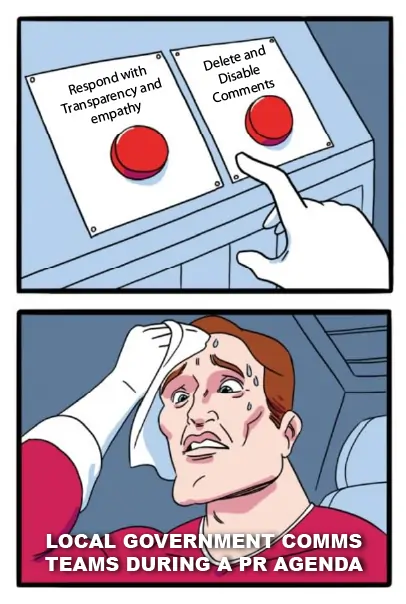
Risks of Ignoring or Mishandling Public Feedback
Avoiding negative comments may feel easier in the moment, but it can backfire fast. Here’s what happens when you ignore the community online:
- Loss of Public Trust – Silence is often taken as indifference—or worse, guilt.
- Spread of Misinformation – Without your input, rumors and false claims go unchecked.
- Public Backlash – Deleted comments or ignored concerns can spiral into wider outrage.
- Legal & Ethical Issues – Disabling comments or blocking users without clear policy can raise First Amendment concerns.
- Operational Delays – Ignoring feedback may mean missing critical insight, like service complaints or safety issues.
Limited Social Media Platform
Before choosing a platform, ask: Who are we trying to reach? What kind of content do we have? And what do we actually want people to do when they see our posts?
Not all platforms are equal when it comes to user attention. According to this data, U.S. adults in 2023 spent the most time per day on:
That time matters. If your community is spending nearly an hour a day on TikTok, and you’re only on Facebook, you’re missing a major window to connect, especially with younger residents.
Social Media Platform Breakdown for Government Use
Below is a table to identify the advantages, disadvantages, and best practices of these following platforms:
| Platform | Advantages | Disadvantages | Best Practices |
|---|---|---|---|
| Broad reach across age groups; strong for community updates and events | Declining engagement with younger users; algorithm limits organic reach | Post consistently, respond to comments, use Events & Groups | |
| Visual storytelling; Stories and Reels boost visibility | Requires high-quality visuals; harder to share links | Use behind-the-scenes content, infographics, and highlights | |
| TikTok | High engagement with young audiences; creative content goes far | Requires time + skill to keep up with trends; short shelf life | Use trends smartly, keep messages short, show real people |
| YouTube | Great for long-form content; evergreen value | Time-intensive to produce; harder to drive engagement without subscribers | Create explainer videos, meeting recaps, and how-to content |
| X (Twitter) | Fast updates; searchable; media-friendly | Character limits; high churn of posts; often hostile comment threads | Use for real-time alerts, media statements, and live coverage |
| Snapchat | Popular among teens and young adults; good for short, casual updates | Limited discoverability; not ideal for official communication | Use for event promotion or quick community outreach |
| Highly engaged niche communities; good for AMA-style content | Moderation-heavy; tone must be authentic and transparent | Use in subreddits for Q&A, policy discussions, or service updates |
Frequently Asked Questions (FAQs)
What are the biggest mistakes in a local government social media strategy?
Inconsistent posting, lack of socia media policies, unclear goals, and ignoring feedback can lead to confusion. These missteps often result from poor coordination among team members and a failure to engage with citizens meaningfully.
Which social media platform is most effective for government communication?
Facebook is great for updates, X for real-time alerts, and Instagram for visual storytelling. The right platform depends on your diverse audience and how they prefer to consume information from local government.
How can local governments improve engagement on social media?
Focus on timely posts that spotlight local events and respond actively to questions or concerns. This keeps public engagement high and shows residents their voices matter within the community.
What role does transparency play in social media success?
Transparency builds trust with residents, encourages input from community leaders, and helps prevent the spread of misinformation. Open communication ensures accountability between citizens and government officials.
How should government agencies handle negative comments online?
Always respond respectfully, guided by established social media policies. For municipalities, consistent and professional handling of criticism promotes accessibility and demonstrates a commitment to open dialogue.
The first step in building a successful local government social media strategy is understanding your audience and crafting thoughtful social media campaigns.
By choosing the right communication channel, posting with purpose, and engaging with social media users consistently, you can ensure your agency remains a trusted, active presence online.
Keep your digital front door open and welcoming to build lasting connections.
Why Partner with Blue Atlas Marketing?
We help district and government agencies build smarter digital communication plans that truly connect with their communities.
Ready to improve your social presence? Contact us today to get started!