Ways to Improve Social Media for Government Agencies


Social media for government agencies is no longer optional—it’s the best way to connect with your residents and constituents. This powerful social media platform serves as an essential source of information and a vital tool for public service.
Whether sharing a timely public safety update or addressing community concerns, every social media post builds trust and transparency. Your community expects prompt responses and reliable solutions, making digital engagement an indispensable part of effective governance.
Let’s explore how to harness these opportunities for greater impact.
Key Takeaways:
Common Challenges in Government Social Media Management

Even with the best intentions, running a government social media account can feel like walking a tightrope under a spotlight.
First, you’re always under watch. Every post, like, or reply can trigger public reactions… positive or not.
People expect transparency, but that can come with intense scrutiny.
You’re not just communicating; you’re being audited in real time.
One misstep? It can go viral before your team finishes the coffee run.
Second, you’re juggling with limited hands. Most agencies have small teams managing big expectations.
Balancing social media with daily operations, meetings, and inbox chaos means social often gets pushed to the side or done on the fly.
Third, misinformation doesn’t take breaks. Whether it’s rumors about policies or incorrect service updates, social platforms can spread the wrong info faster than your Government organizations can correct it.
And sometimes, staying silent makes it worse.
Fourth, not everyone’s online. The digital divide is real.
Some residents and constituents still don’t have consistent internet access or prefer traditional communication, which means social media can’t be your only outreach, but it still has to count.
Social Media Tools for Government Agencies
You’re not just posting updates, you’re working across systems, teams, and services. Moreover, the right tech setup can make it less chaotic.
Many platforms now offer integrations with CRM systems, CMS platforms, and citizen service tools that your Government organizations may already use.
That means fewer logins, better data flow, and more time for your team to focus on meaningful content instead of bouncing between apps.
Then pick tools made for public sector workflows.
From community alerts to message archiving, some platforms are built to handle the specific demands of government communication.
Whether you’re tracking analytics, automating posts, or keeping records for compliance, there’s a tool for that.
| Platform Type | What It Does | Why It’s Useful for Social |
| Salesforce Gov Cloud | CRM for constituent data | Helps personalize and target social content |
| Microsoft Dynamics 365 | CRM + workflow automation | Syncs communications across departments |
| Granicus govService | Citizen service + engagement | Connects public feedback with social posts |
| CivicPlus CMS | Website content management | Streamlines updates from web to social |
| Granicus OpenCities | Digital services platform | Makes service info easy to share via social |
| Drupal for Government | Open-source CMS | Integrates with social plugins and gov sites |
| Power BI (Microsoft) | Data reporting and dashboards | Turns social analytics into visuals for reporting |
| Tableau Public Sector | Data viz platform | Useful for visual storytelling through social posts |
| Granicus GovDelivery | Email + text alert system | Supports cross-channel messaging with social |
| TextMyGov | SMS-based info delivery | Great for linking social updates to text alerts |
| PageFreezer | Archiving and compliance | Captures social content for legal and records management |
Top Platforms for Government Agencies to Engage Citizens
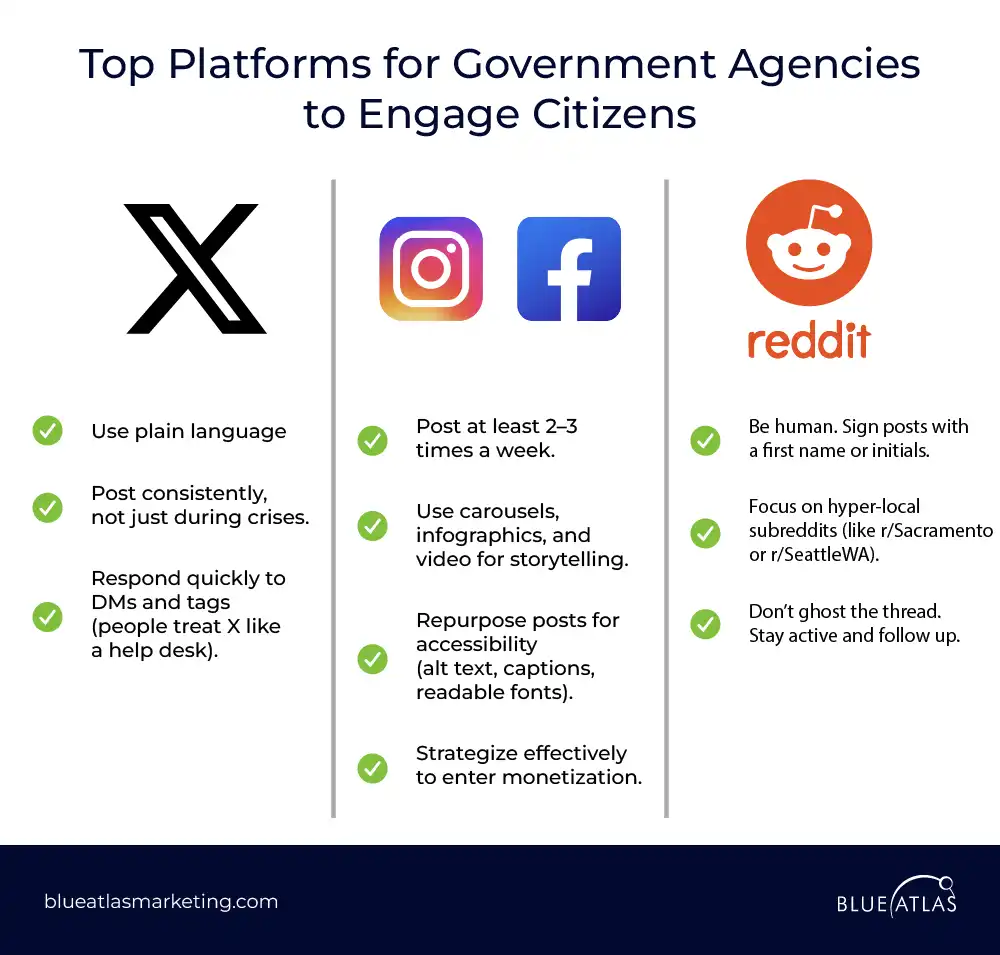
Not every platform works the same way, and not every audience hangs out in the same place.
Choosing where to focus your time matters just as much as what you post.
X (Formerly Known as Twitter)
If you need speed, X is your go-to for real-time updates, emergency alerts, press statements, and breaking news.
According to the report, X has 650 million monthly active users.
Some users prefer to treat X as their digital diary or to advertise their services.
With a 280-character limit and a feed that refreshes in seconds, X rewards agencies that can communicate clearly and quickly.
You can also mix in visuals, video, and links to official resources.
It’s not just for politics and memes…it’s where the public expects you to be during a crisis or event.
But consistency is key. If your feed goes quiet, so does public trust.
Best practices:
- Use plain language.
- Post consistently, not just during crises.
- Respond quickly to DMs and tags (people treat X like a help desk).
Meta (Facebook and Instagram)
Use Facebook and Instagram when you want to connect visually.
Instagram has experienced exponential growth, currently boasting over 2.4 billion active users while Facebook has 3.07 billion monthly active users (MAUs) worldwide currently.
These platforms thrive on storytelling through photos, videos, infographics, and short captions.
Carousel posts can walk residents and constituents through services.
Memes and polls get people talking. Use AR filters to spotlight local landmarks or promote city-wide events in a fun way.
Facebook also remains one of the top platforms for reaching adults 35+, while Instagram hits younger groups with a more casual tone.
You can cross-post between both to save time, but tailor the content slightly for each audience.
Best practices:
- Post at least 2–3 times a week.
- Use carousels, infographics, and video for storytelling.
- Repurpose posts for accessibility (alt text, captions, readable fonts).
- Strategize effectively to enter monetization.
This isn’t a flashy platform but it’s powerful. As of 2024, there are over 500 million Reddit accounts.
Reddit is built around real communities having real discussions.
If your Government organizations wants to host an AMA (Ask Me Anything), answer local questions, or clarify public policy issues, Reddit gives you space to do it.
Subreddits like r/cityname or r/politics already exist, and they’re often filled with people genuinely interested in how their local government works.
Keep the tone human. No corporate speak. Just answers, honesty, and availability.
Best practices:
- Be human. Sign posts with a first name or initials.
- Focus on hyper-local subreddits (like r/Sacramento or r/SeattleWA).
- Don’t ghost the thread. Stay active and follow up.
Successful Government Social Media Accounts

If you’re managing your Government organizations’ social presence, learning from the best can save you time, mistakes, and second-guessing.
Here are five government accounts actually doing social media well — worth following, studying, and maybe even stealing a few ideas from (no shame in that).
1. NASA
NASA blends science, storytelling, and stunning visuals like no one else.
They manage to make space exploration feel human and accessible, even for non-scientists.
Their posts break down complex topics without sounding like textbooks.
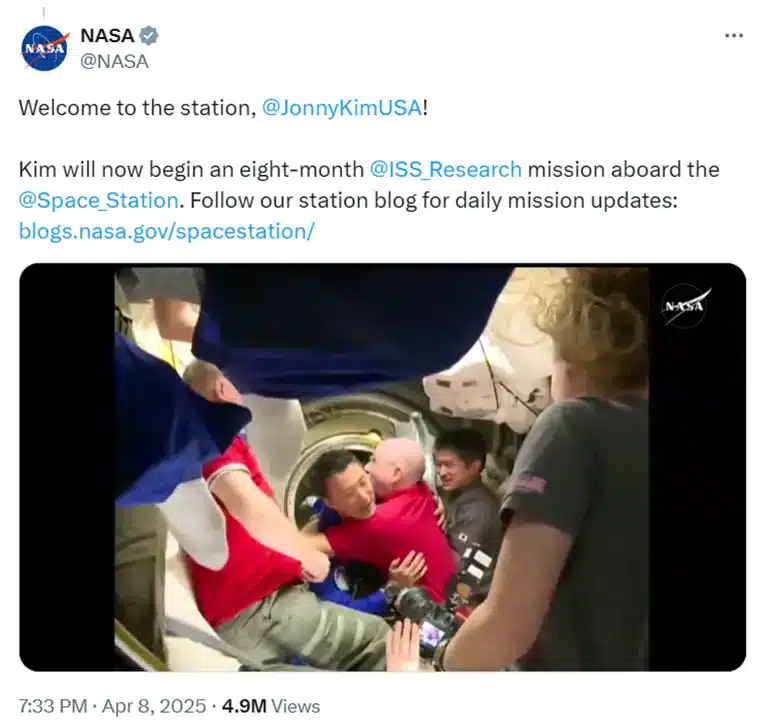
Lesson: Even the most technical Government organizations can go viral with the right tone and visuals.
2. NYC Department of Sanitation
Trash collection, composting, and recycling sound boring, until NYC Sanitation makes it funny, helpful, and totally bingeable.
Their memes and Reels explain city services in a voice that feels current and local.
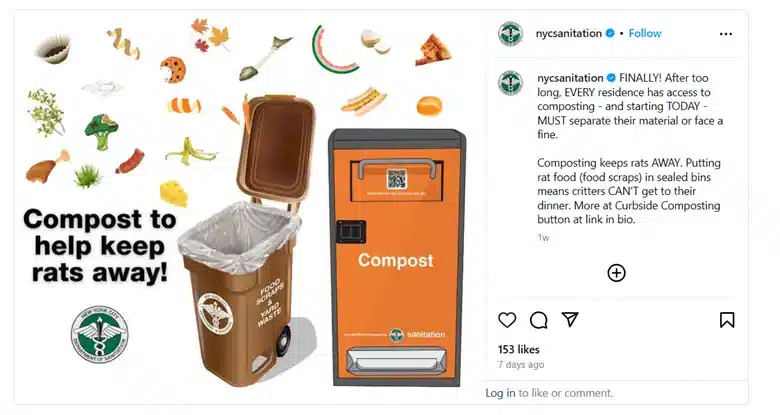
Lesson: You don’t need to be serious to be taken seriously.
3. Centers for Disease Control and Prevention
CDC’s feed is clean, reliable, and fast.
They’re a model for high-trust crisis communication (from pandemic updates to public health education).
Their visual consistency makes posts easy to recognize and share.
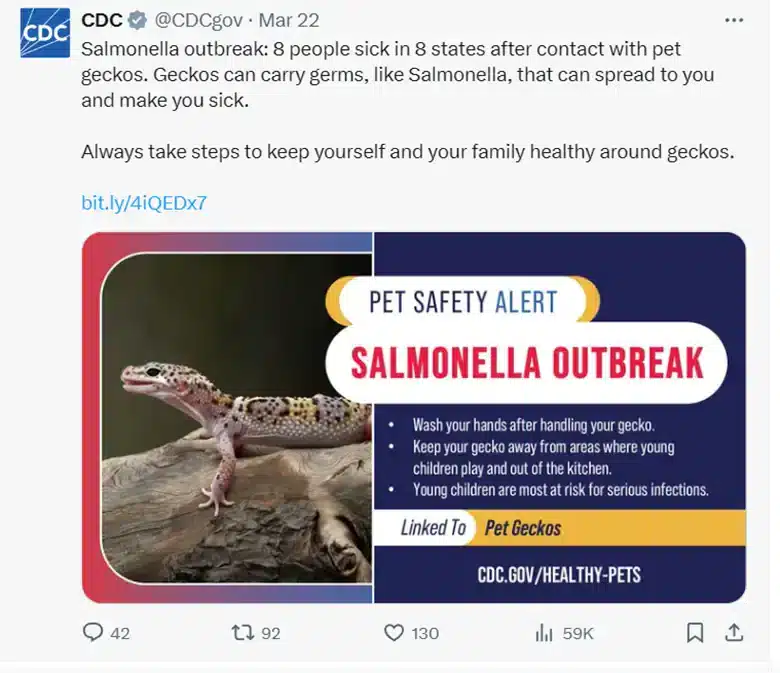
Lesson: Consistency and clarity are just as important as content.
4. U.S. Consumer Product Safety Commission
This account posts safety alerts and recall info with surprising humor.
They’ve turned otherwise dry government messages into must-read content by making it quirky without losing the message.
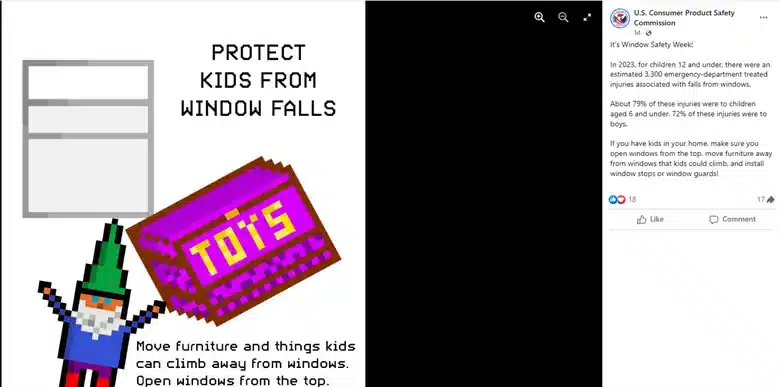
Lesson: A strong personality helps content stick.
5. City of Minneapolis
They strike a strong balance between official updates and community-focused posts.
Whether it’s sharing a neighborhood event or announcing a city policy change, they keep the language plain and personal.
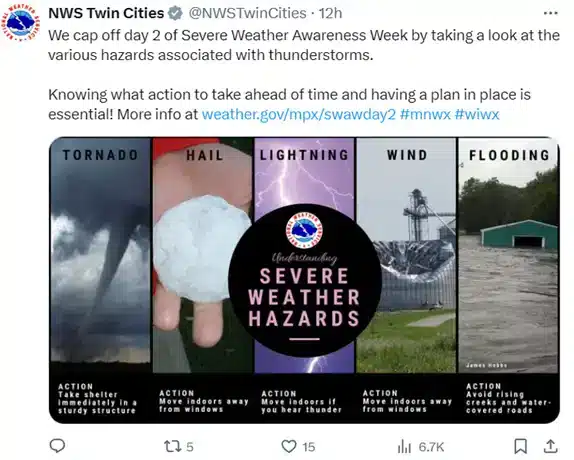
Lesson: Speak like a person, not a press release.
You don’t have to reinvent the wheel. Just look at what’s already working and make it make sense for your community.
Building Trust Through Social Media for Government Agencies

You can’t fake trust. But you can build it—with structure, consistency, and small moves that add up.
Step 1: Set a social media policy – Lay out clear rules for content, tone, response times, and how to handle public comments. This keeps your team aligned and protects your Government organizations.
Step 2: Be consistent – Whether it’s two posts a week or daily updates, stick to it. A regular rhythm shows residents and constituents you’re reliable and paying attention.
Step 3: Stay transparent – Update the public—even when it’s not great news. Share what’s happening, why it matters, and what’s next.
Step 4: Engage with critics—don’t hide – Handle tough comments with professionalism. Respond with facts or helpful next steps. Sometimes, a respectful reply earns more goodwill than the post itself.
Step 5: Make your content accessible – Use alt text, closed captions, plain language, and readable fonts. If your content isn’t accessible, it’s not complete.
Step 6: Automate where you can – Schedule posts, set up alerts, and use tools that flag engagement spikes or comment trends. Let automation do the grunt work so your team can focus on people.
Step 7: Engage beyond updates – Don’t just post announcements. Ask questions, share human stories, spotlight local wins—anything that invites conversation and builds connection.
One Message, Five Audiences: Making Your Content Work Across Generations
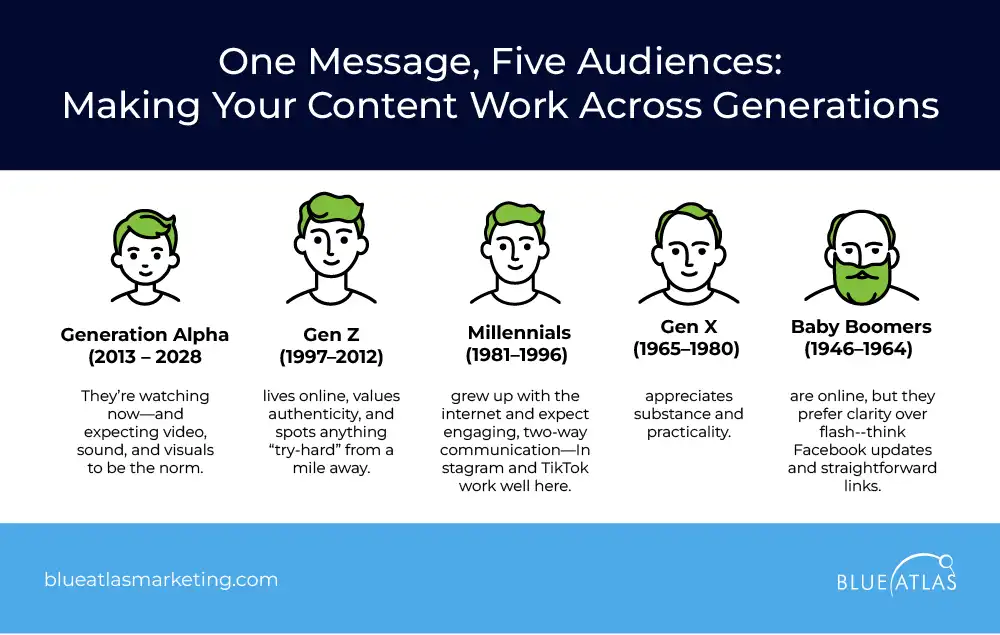
Your Government organizations serves everyone–from digital-first teens to newspaper-loving grandparents.
So your content? It has to flex!
Start with who you’re talking to
Baby Boomers (1946–1964) are online, but they prefer clarity over flash — think Facebook updates and straightforward links.
Gen X (1965–1980) appreciates substance and practicality.
Millennials (1981–1996) grew up with the internet and expect engaging, two-way communication—Instagram and TikTok work well here.
Gen Z (1997–2012) lives online, values authenticity, and spots anything “try-hard” from a mile away.
Generation Alpha (2013 – 2028)? They’re watching now—and expecting video, sound, and visuals to be the norm.
Ensure everyone can actually access what you’re posting
Alt text, video captions, and high-contrast designs aren’t just nice to have–they’re necessary.
A flashy infographic means nothing if it’s unreadable on a phone.
Use inclusive language and avoid insider jargon.
And yes, double-check your emoji game: what’s funny to one group might be totally misread by another.
Match your message to the platform
Every social channel has its own rules. Facebook’s good for longer updates and community feedback.
Instagram and TikTok shine with quick, eye-catching visuals. Twitter (X) thrives on urgency. Reddit favors thoughtful discussion.
Instead of copying and pasting across platforms, tweak your format to match how people scroll, skim, and share.
Social Media Compliance and Legal Considerations for Government Agencies
Just because it’s a tweet or a post doesn’t mean it’s exempt from federal law.
If your government organization is online, your content has to follow the same standards as everything else you do.
| Regulation | What It Covers | Why It Matters |
|---|---|---|
| First Amendment | Protects freedom of speech, including in public forums. | You can’t delete comments just because they’re negative or critical. |
| FOIA / Records Act | Grants public access to government records, including digital ones. | Social media content is considered a public record and must be retained. |
| Privacy Act of 1974 | Regulates how federal agencies handle personal data. | Never share or mishandle personally identifiable information in posts. |
| ADA | Ensures content is accessible to people with disabilities. | Add captions, alt text, readable fonts—accessibility is not optional. |
| Hatch Act | Restricts political activity by government employees. | Don’t post content that supports or opposes political parties or candidates. |
| Section 230 of the Communication Decency Act of 1996 | Limits liability for user-generated content on platforms. | You’re not liable for what others post—but you’re responsible for moderation. |
| Federal Records Act | Requires proper retention and management of government records. | Posts, comments, and DMs may all need to be archived for legal access. |
| E-Government Act of 2002 | Encourages digital transparency and public access to government services. | Social accounts must be informative, user-focused, and accessible. |
Frequently Asked Questions (FAQs)
What are the most common social media challenges faced by government organization?
Official government organizations often confront intense public scrutiny, budget constraints, and rapid misinformation spread, requiring them to balance timely responses with accuracy across diverse channels.
How can a government organization engage different age groups effectively?
Tailoring strategies to various generations might include leveraging interactive features on a dedicated Facebook page, ensuring content resonates authentically with both younger audiences and traditional demographics.
Why is transparency so important?
A strong social media presence fosters openness, allowing citizens to verify information easily and hold leaders accountable, which in turn builds trust and enhances civic engagement.
What tools can improve social media management?
Innovative tools like SocialBee and Sprout Social not only streamline scheduling and analytics but also assist in developing a standout piece of content that aligns perfectly with strategic communication goals.
How can a government organization stay compliant online?
Adhering to legal standards such as GDPR, CCPA, FOIA, and accessibility guidelines serves as a great example of how agencies can ensure compliance, protect data, and uphold public trust.
Smart, clear, and consistent communication is at the heart of social media for government agencies. Every interaction—from knowing your audience to adhering to legal guidelines—matters.
Government agencies and social media work best together when built on trust, transparency, and adaptability. Empower your team, communicate clearly, and continuously refine your strategy to meet the changing needs of your community.
Ready to Work with Blue Atlas Marketing?
Let’s build a social media strategy that actually works for your Government organization. Contact us today to get started!